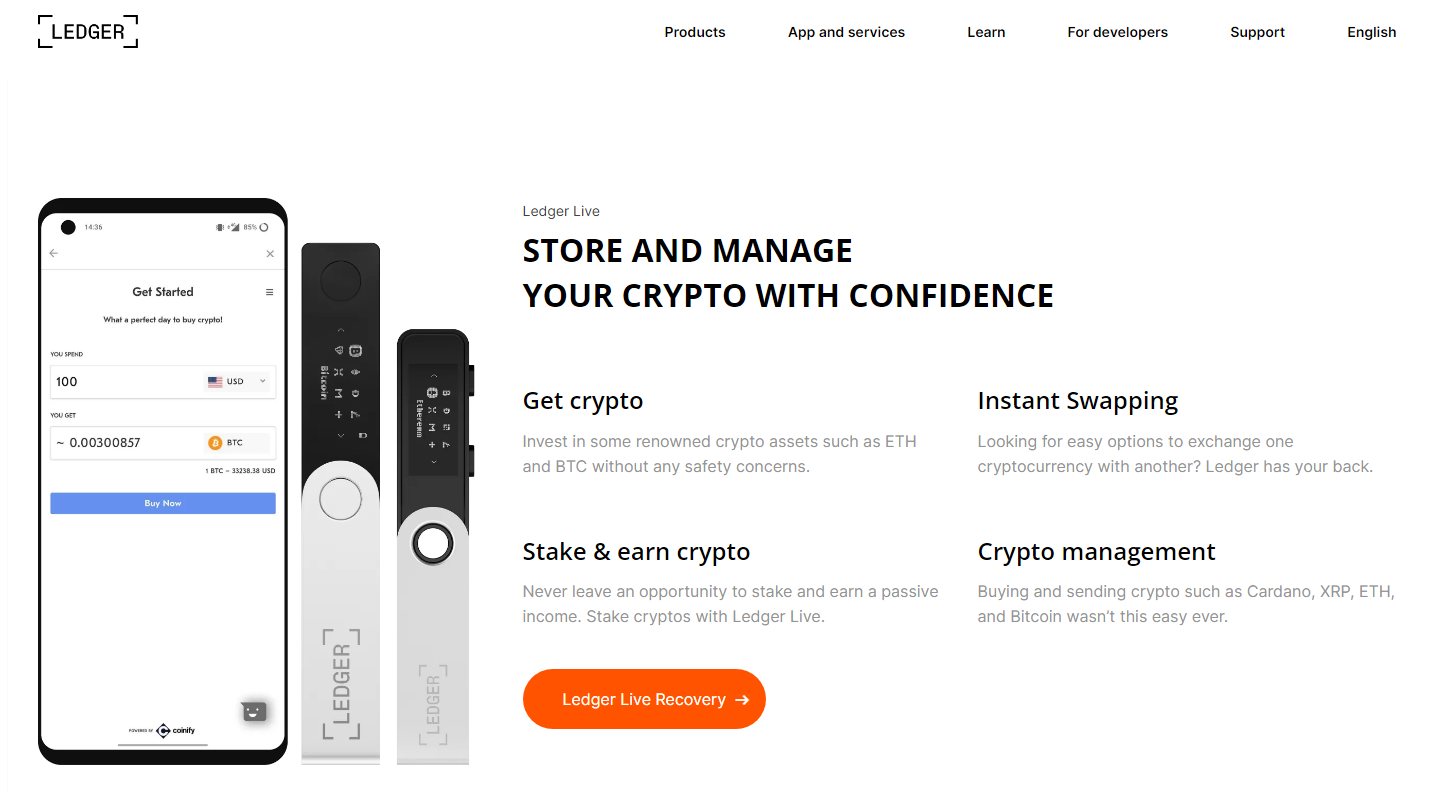
Cryptocurrency users need a secure way to manage digital assets, verify transactions, and maintain control of their private keys. Ledger.com/start is Ledger’s official starting point for setting up a compatible Ledger hardware wallet and connecting it with the Ledger Wallet application, formerly known as Ledger Live. The setup process is designed to help users configure their device and begin managing supported cryptocurrencies through a desktop or mobile application.
Ledger.com/start is the official Ledger setup page for users beginning their hardware-wallet journey. It provides guidance for connecting and configuring a Ledger device and accessing the software needed to manage crypto assets.
Ledger’s current companion application is called Ledger Wallet, while Ledger Live is its former name. The application is available for major desktop and mobile platforms, including Windows, macOS, Linux, iOS, and Android.
A hardware wallet is designed to keep private keys isolated from internet-connected devices. Instead of relying entirely on a software wallet running on a computer or phone, a Ledger hardware device provides a dedicated environment for protecting and using private keys.
Ledger states that its hardware wallets use Secure Element technology and allow users to verify transactions on the device before approving them. This can provide an additional security layer when managing digital assets.
The setup process generally begins with obtaining a genuine Ledger device and downloading the official Ledger Wallet application from Ledger’s website.
Visit Ledger’s official website and download the appropriate Ledger Wallet application for your operating system. Avoid downloading wallet software from unknown websites because fake applications and phishing pages can be used to steal sensitive information.
Connect your Ledger hardware wallet to your computer or compatible mobile device using the supported connection method. Follow the instructions displayed by the device and application.
During setup, follow the instructions shown on the Ledger device. If creating a new wallet, the device will provide recovery information that must be handled carefully. Never share your recovery phrase with another person or enter it into an unknown website.
After completing the initial configuration, use the Ledger Wallet application to manage the relevant cryptocurrency applications on your hardware device. Supported assets include major cryptocurrencies such as Bitcoin and Ethereum, along with many other tokens.
Once setup is complete, the Ledger Wallet application can provide a central interface for viewing accounts and managing supported assets. Depending on availability and location, users can send and receive crypto and access services such as buying, swapping, and staking through integrated providers. These services may involve third parties and can have separate terms or availability restrictions.
Security remains an important part of using any crypto wallet. Always download software from official sources, verify transaction details before approving them, and keep your recovery information private.
Ledger specifically warns users that it will never ask for the 24 words of their recovery phrase. Anyone requesting this information should be treated as suspicious.
Ledger.com/start is Ledger’s official setup page that guides users through getting started with a Ledger hardware wallet and its companion software.
Ledger Wallet is the current name of the application that was previously called Ledger Live. Ledger’s current pages identify Ledger Live as the former name.
Yes. Ledger provides desktop versions for Windows, macOS, and Linux, as well as mobile versions for iOS and Android.
Losing the physical device does not necessarily mean losing access to the assets. Recovery depends on securely maintaining the wallet's recovery information and following Ledger's official recovery procedure. Never share your recovery phrase with anyone.
Use Ledger’s official website and support resources rather than third-party download sites. This reduces the risk of installing counterfeit or malicious wallet software.